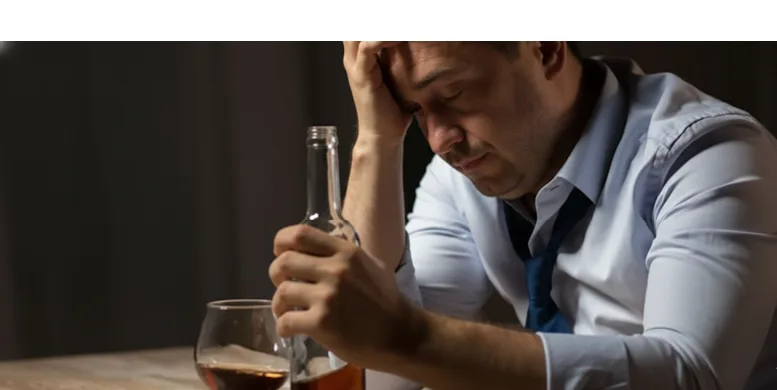
Most families picture addiction as alcohol, smack or ganja. Pill and syrup dependence looks different. There is no smell of liquor, no burnt foil, no obvious "drug". There is a strip of tablets in a shirt pocket, a few empty syrup bottles under the bed, and a man who says he only takes "medicine for sleep" or "something for back pain". Because the substance came from a pharmacy, everyone — including him — assumes it is safe.
It is not always safe. Sleeping pill addiction, painkiller dependence and codeine cough syrup misuse are common, often hidden for years, and in some cases more dangerous to stop than alcohol. This guide explains which medicines are commonly misused, the warning signs, why sudden stopping can be risky, and how treatment works.
Which Medicines Are Commonly Misused
| Type | Why people start | Main risk |
|---|---|---|
| Sleeping and anxiety pills (benzodiazepines and similar) | Sleeplessness, stress, anxiety; sometimes to come down after alcohol or stimulants | Tolerance and dependence; stopping suddenly after regular use can cause fits |
| Opioid painkillers such as tramadol | Back pain, injury, long working hours; some use it for energy or to replace smack | Opioid dependence; overdose risk, especially with alcohol or sleeping pills |
| Codeine-based cough syrups | Cheap, available, taken for a "high" or to sleep | Opioid dependence, constipation, low mood; large daily amounts |
| Some allergy and cold tablets | Taken in large amounts for drowsiness | Confusion, heart rhythm problems at high doses |
The same person often uses more than one — syrup in the day, sleeping pills at night, alcohol at the weekend. Combinations are where the most serious risks lie.
How Medicine Use Becomes Dependence
It usually happens gradually. A doctor prescribes a sleeping tablet for a short period after a stressful event. It works, so he keeps buying it. After a few weeks, one tablet no longer works and he takes two. Missing a night means lying awake, anxious and sweating, so he never misses. Within months, the tablet is not helping him sleep — it is preventing withdrawal.
Painkillers follow a similar path. Tramadol taken for a back injury also lifts mood and energy. When the pain is gone, the craving for that feeling remains. Codeine syrup often starts with friends, as a cheap high, and quickly becomes several bottles a day.
This is not weakness of character. These medicines act on the same brain systems as alcohol and opioids, and the brain adapts in the same way. Our article on how addiction affects the brain explains this process.
Warning Signs Families Notice
- Strips of tablets or syrup bottles hidden in pockets, bags, the car or the bathroom.
- Visiting several chemists or doctors, or asking friends to buy medicines for him.
- Taking more than the prescribed dose, or taking it during the day "to stay calm".
- Slurred speech, drowsiness, unsteady walking or nodding off in the middle of a conversation.
- Constipation, poor appetite and weight loss (common with syrups and opioid painkillers).
- Panic, sweating, shaking or anger when the supply runs out.
- Money problems from buying in bulk; lying about where the money went.
- Memory gaps and poor concentration at work or in studies.
Our broader guide on warning signs of drug abuse in teenagers is useful if the person is young, and warning signs you need a de-addiction centre helps decide when outside help is needed.
Why Stopping Suddenly Can Be Dangerous
This is the most important point in this article. After regular use for weeks or months, some sleeping and anxiety pills should not be stopped all at once. Sudden stopping can cause severe anxiety, sleeplessness, shaking, confusion and, in some people, fits. The risk is higher with larger doses and longer use, and higher still if he also drinks.
Opioid painkillers and codeine syrups cause withdrawal similar to smack: body ache, yawning, runny nose, loose motions, restlessness and intense craving. It is rarely life-threatening on its own, but it is very uncomfortable, and most people relapse within days without support. After even a few days off, tolerance falls — going back to the old amount, especially with alcohol or sleeping pills, can slow breathing dangerously.
If someone is very drowsy and cannot be woken, is breathing slowly, or has blue lips, call 108 or 112 immediately. Our article on opioid overdose signs explains what to do while help comes.
What Safe Withdrawal Looks Like
Safe withdrawal from pills is planned by a doctor, not improvised at home. In general:
- Honest history. Exactly which medicines, how much, how often, for how long, and what else he uses — including alcohol.
- Medical check. Blood pressure, heart, liver, sleep, mood and any history of fits.
- A gradual plan where needed. Some sleeping and anxiety pills are reduced step by step over days or weeks rather than stopped at once.
- Supervised opioid withdrawal. For tramadol and codeine syrups, symptoms are treated and the patient is monitored day and night.
- Treating what lies underneath. Many people started because of real sleeplessness, anxiety, pain or depression. Those need treatment of their own, or the pills come back.
Our article on why professional detox matters explains why this phase is safer in a supervised setting.
Sleeping Without Pills
Sleep is often the hardest part of recovery from sleeping pill addiction. In the first weeks after stopping, sleep is usually poor before it improves. Habits that help:
- Fixed times to sleep and wake, even on holidays.
- No tea, coffee or cold drinks after the afternoon.
- Daytime exercise or a long walk, and some time in daylight.
- No phone in bed; a dim, quiet room.
- Getting up for a short while if sleep does not come, instead of lying awake worrying.
- Relaxation or breathing exercises before bed. Our article on yoga and meditation in de-addiction describes simple practices.
Counselling for anxiety and stress, and CBT techniques for sleep, reduce the urge to reach for a tablet. If depression or an anxiety disorder is present, a psychiatrist can prescribe treatment that does not carry the same risk of dependence.
How Families Can Help
Do not throw away all his tablets in anger or hide them without a plan — sudden stopping can be risky. Instead, talk to him calmly about what you have seen, and suggest seeing a doctor together. Keep medicines for the rest of the family locked away. Avoid giving cash that goes to the chemist. And remember that he may genuinely believe the pills are "just medicine"; patient, clear information helps more than accusations. Our guide on how to convince someone to go to rehab has practical wording.
How Happy Home, Indore Can Help
Happy Home Rehabilitation Centre in Indore treats dependence on sleeping pills, opioid painkillers and codeine syrups, along with alcohol and other drugs. Treatment begins with a medical assessment and supervised withdrawal planned by the doctor, followed by CBT and REBT counselling with Director and Chief Psychologist Praveen Shrivastava and his team, group therapy, a structured daily routine and family sessions. Psychiatrist Dr. Ashvin Chouhan assesses and treats underlying anxiety, depression or sleep problems. The centre currently admits male patients only.
Read more on our drug addiction treatment page, use the Book Rescue form if he refuses to come, or call +91 9009014445, 24x7. Hindi readers can see the इंदौर नशा मुक्ति केंद्र page.
Frequently Asked Questions
Can you get addicted to sleeping pills prescribed by a doctor?
Yes. Some sleeping and anxiety pills cause tolerance and dependence when used regularly for weeks or months, especially at higher doses or without follow-up. That is why they are usually prescribed for short periods.
Is it safe to stop sleeping pills suddenly?
Not always. After regular use, stopping some sleeping and anxiety pills suddenly can cause severe anxiety, shaking, confusion and in some people fits. A doctor should plan a gradual reduction.
Is codeine cough syrup addictive?
Yes. Codeine is an opioid. Regular use in large amounts causes dependence and withdrawal similar to smack, including body ache, restlessness, loose motions and strong craving.
What are the signs of painkiller addiction?
Taking more than prescribed, using it after the pain has gone, visiting several chemists or doctors, drowsiness, constipation, mood swings, and restlessness or body ache when the supply runs out.
How long does treatment for pill addiction take?
It depends on the medicine, dose, years of use and any underlying problem such as anxiety or depression. Opioid withdrawal usually takes about a week; some sleeping pills are reduced gradually over a longer period. Counselling continues after that.

For information only — not a substitute for a medical consultation.