- Anxiety becomes a disorder when worry or fear is constant, out of proportion and starts to control daily life — work, sleep, travel or meeting people.
- Physical symptoms are real: racing heart, breathlessness, sweating, stomach upset. A first episode with chest pain should always be checked at a hospital.
- Many people quietly use alcohol, ganja or sleeping pills to calm anxiety, which can lead to dependence. Happy Home treats both problems together.
- Most anxiety is treated with outpatient counselling (CBT) and, when needed, medicines from a psychiatrist. Book a session at the Indore centre or by phone: +91 9009014445.
Some people describe it as a pressure in the chest that never fully goes away. Others have sudden attacks — heart pounding, hands shaking, a feeling that they are about to die — that send them to the emergency room again and again, only to be told that "the reports are normal". Many have quietly found that a drink in the evening or a sleeping pill at night makes the feeling go away, until they cannot manage without it.
Happy Home Rehabilitation Centre offers anxiety treatment in Indore through our counselling team and psychiatrist. This page explains the common types of anxiety, how they are treated, why self-medicating with alcohol or pills backfires, and when to seek help.
Types of Anxiety Problems
| Type | What it feels like |
|---|---|
| Generalised anxiety | Constant worry about health, money, family or work, difficulty relaxing, poor sleep, muscle tension |
| Panic disorder | Sudden attacks of intense fear with racing heart, breathlessness, dizziness, fear of dying or losing control |
| Social anxiety | Strong fear of being judged, avoiding meetings, phone calls or speaking in public |
| Phobias | Intense fear of specific things — heights, travel, crowds, injections — leading to avoidance |
| Health anxiety | Constant fear of a serious illness despite normal tests, repeated doctor visits |
India's National Mental Health Survey (2015–16) found that roughly one in ten adults was living with a mental health condition at the time of the survey, and that most of them were not receiving treatment. Anxiety disorders are among the most common of these, and among the most treatable.
When Anxiety Meets Alcohol, Ganja or Pills
Self-medication is one of the most common routes into addiction. Alcohol calms the nerves for a few hours, so people drink a little more each evening. Ganja seems to "switch off" worry. Sleeping pills bought without a proper prescription bring rest at first. Over weeks, the body adapts, the dose rises, and anxiety returns stronger when the substance wears off — often as a hangover-day panic attack.
Some sedative medicines can cause dependence when taken for long periods without medical supervision, and stopping them suddenly can be risky. If this sounds familiar, do not stop abruptly on your own; speak to a doctor. At Happy Home, our psychiatrist and de-addiction team treat anxiety and substance use together. More detail is on our pages on alcohol addiction treatment and drug addiction treatment.
Get Help Today
Our team is available 24x7. Every conversation stays confidential.
Call Now WhatsApp Us Book Rescue Book CounsellingHow Anxiety Is Treated at Happy Home
Assessment
The first step is understanding exactly what kind of anxiety it is and what keeps it going. Physical causes such as thyroid problems, heavy caffeine use or side effects of other medicines are considered, and the patient is asked honestly about alcohol and drug use.
Counselling (CBT)
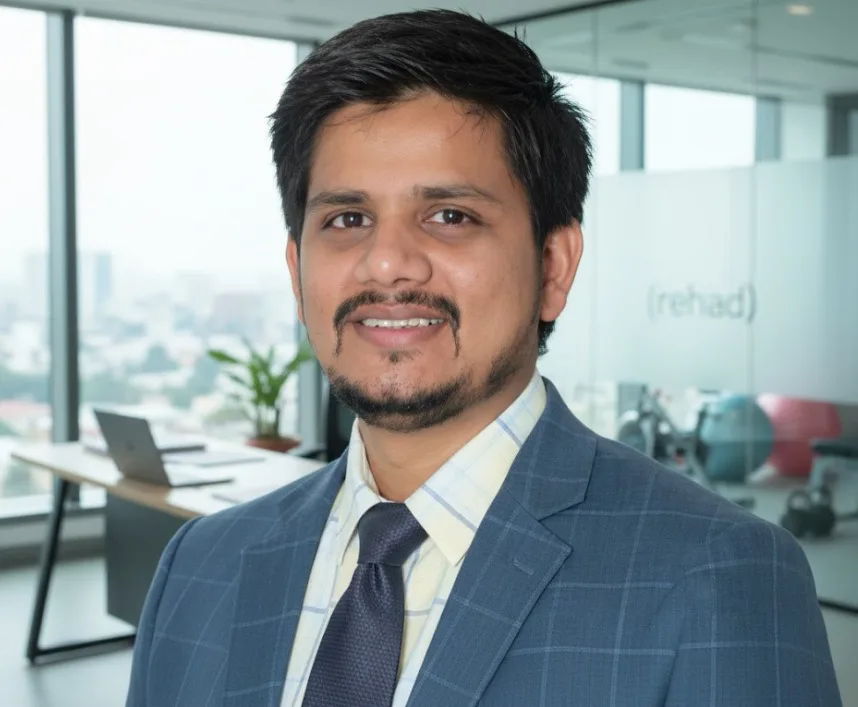
Cognitive behavioural therapy is the most widely used psychological treatment for anxiety. The counselling team, led by Director and Chief Psychologist Praveen Shrivastava, helps the person notice anxious thinking patterns, test them against reality, and gradually return to situations he has been avoiding. Practical tools — slow breathing, muscle relaxation, worry scheduling — are practised in sessions and at home.
Medicines when needed
For moderate or severe anxiety, our psychiatrist, Dr. Ashvin Chouhan, may prescribe medicines. Some take a few weeks to work, and doses are adjusted at follow-up visits. Medicines are used as part of a plan, not as a replacement for therapy.
Lifestyle foundations
Families can help by not taking over every task the person fears, and by not repeating reassurance endlessly. Calm encouragement to keep small daily commitments — a walk, a visit to the shop, a phone call — does more good than shielding him from them.
Regular sleep, less tea and coffee, daily physical activity and a routine all lower baseline anxiety. These sound simple, but they make therapy work faster.
What to Do During a Panic Attack
- Name it. Tell yourself: "This is a panic attack. It is very uncomfortable, but it will pass."
- Slow your breathing. Breathe in gently for four counts, out for six. Long out-breaths calm the body.
- Ground yourself. Notice five things you can see and four you can hear.
- Stay where you are if you can. Leaving teaches the brain the place was dangerous.
- Get medical help if it is the first time, if there is chest pain, or if you are not sure it is panic.
Afterwards, avoid rushing to remove every trigger from life — avoiding the market, the bus or the office makes the next attack more likely, not less. A therapist helps plan a gradual return instead. Keep a short note of when attacks happen, what you were doing and what you were thinking; patterns often appear within a couple of weeks, and they make therapy far more focused.
Panic attacks usually peak within about ten minutes. Learning to ride them out, with a therapist's help, is one of the most effective parts of treatment.
Outpatient or Residential?
Most people with anxiety do well with outpatient care: regular counselling sessions and psychiatrist follow-up while they continue work and family life. You can book a counselling session at the Indore centre or by phone and video.
Residential care is considered when anxiety comes with heavy alcohol, ganja or pill dependence, severe depression, or when the person can no longer leave the house or function. In those cases, a structured stay allows safe detox and intensive therapy at the same time.
Anxiety often travels with other conditions. See our pages on depression treatment, OCD treatment and psychiatric treatment in Indore.
Frequently Asked Questions
What are the symptoms of an anxiety disorder?
Common symptoms include constant worry, restlessness, poor sleep, irritability, muscle tension, racing heart, breathlessness, sweating and stomach upset. In panic disorder, these come as sudden intense attacks. A disorder is diagnosed when symptoms are frequent and interfere with daily life.
Can anxiety be treated without medicines?
Many people with mild to moderate anxiety improve with counselling such as CBT along with lifestyle changes. For moderate or severe anxiety, a psychiatrist may recommend medicines alongside therapy.
Is it okay to drink alcohol to calm anxiety?
No. Alcohol gives short relief but worsens anxiety over time, disturbs sleep and can lead to dependence. If you are already relying on alcohol, ganja or sleeping pills, speak to a doctor rather than stopping suddenly on your own.
How long does anxiety treatment take?
Many people notice improvement within a few weeks of regular therapy, and a full course of CBT usually runs for a few months. Medicines, if used, often take a few weeks to work fully.
Who does Happy Home admit?
Happy Home currently admits male patients only for residential care. Outpatient counselling can be booked at the centre or by phone — call +91 9009014445.
Explore More